
The Nature of Luck in Gambling
Luck is often viewed as a pivotal component in the gambling landscape, introducing an element of unpredictability that keeps players on the edge of their seats. At its essence, luck refers to the arbitrary nature of outcomes that can lead to unexpected wins or losses. Within a casino, luck can manifest in various forms, from hitting a massive jackpot on a slot machine to being dealt a winning hand in poker. For those seeking excitement, the best nongamstop casinos uk offer a thrilling experience where gamblers frequently attribute their victories to favorable luck, particularly in high-stakes environments where the thrill and tension are amplified.
This belief in luck can result in a spectrum of behaviors and strategies among players. Some individuals may engage in certain rituals, such as following specific betting patterns, convinced that these actions will enhance their fortune. Others might lean heavily on superstitions, such as wearing their «lucky» outfit or carrying talismans. Such behaviors underscore the deep-rooted cultural connections with luck and its perceived ability to influence outcomes, even in settings governed by mathematical principles and odds.
However, while luck undeniably plays a significant role in gambling, it is not the only factor that determines success. Every game is underpinned by mathematical probabilities, which dictate the likelihood of various outcomes. Thus, while luck may provide a temporary advantage, sustainable success in a casino often hinges on a combination of skill, knowledge, and an understanding of game dynamics. This complex relationship between luck and strategy is crucial for players aiming to optimize their gambling experience.
The Role of Skill and Strategy
While luck can impact immediate results, depending solely on it can be a risky long-term strategy for gamblers. Skill and strategy are crucial elements in games such as poker and blackjack, where players can make informed decisions based on odds and their opponents’ behaviors. For instance, an experienced poker player might employ their understanding of psychology and game theory to bluff effectively, thereby transforming an initially unfavorable hand into a winning opportunity. This strategic depth illustrates that skill can counterbalance luck in significant ways.
Engaging in strategic gameplay involves analyzing the odds, assessing risks, and making decisions that align with both the player’s objectives and the inherent dynamics of the game. Unlike games of pure chance, such as slot machines, skill-based games empower players to mitigate the influence of luck through informed choices. In blackjack, for example, players can enhance their chances of success by mastering when to hit, stand, or double down, effectively reducing the house edge and increasing their potential for profit.
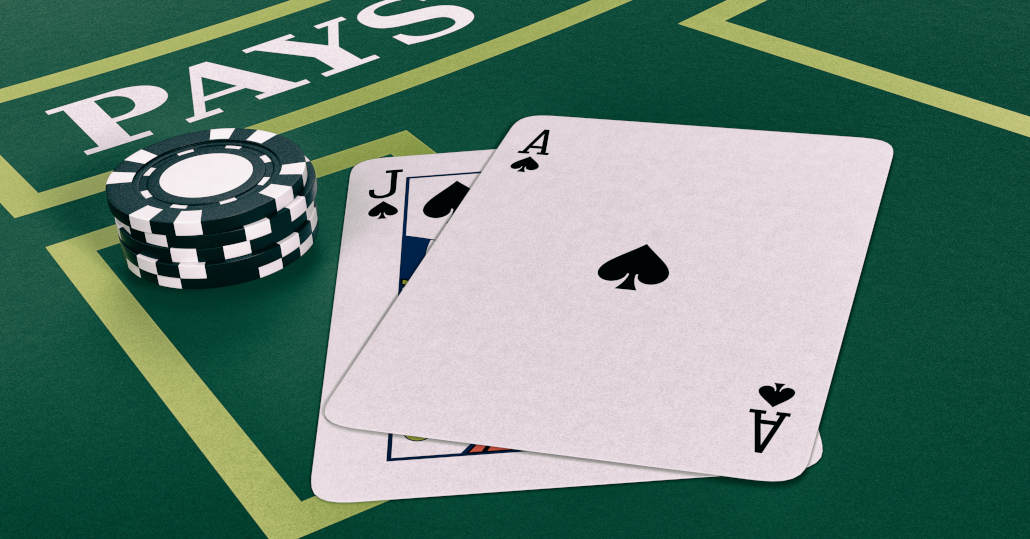
Moreover, the incorporation of skill into gambling can significantly enhance a player’s experience, leading to increased engagement and satisfaction. Those who invest time in mastering a game not only sharpen their skills but also develop a deeper appreciation for the complexities involved. This resonates with many gamblers, as the sense of control and strategic involvement can create a more fulfilling experience, even amidst the uncertainties that luck introduces into the equation. By blending skill with their understanding of luck, players can navigate the casino landscape more effectively.
The Psychological Impact of Luck
The belief in luck extends far beyond the mere outcomes of games; it profoundly influences the psychological experience of gamblers. When individuals feel that luck is on their side, they often experience heightened excitement and engagement, which can lead to increased participation in gambling activities. This rush is akin to an adrenaline high, igniting feelings of euphoria that can enhance enjoyment but also lead to overconfidence and impulsive decisions.
On the flip side, the perception of being «unlucky» can elicit feelings of frustration and disappointment. Gamblers may fall victim to the “gambler’s fallacy,” a psychological phenomenon where they believe that past outcomes can influence future results. For instance, if a player suffers several losses in a row, they might alter their betting strategies, convinced that a win is just around the corner. This misinterpretation of luck can lead to greater financial risk and emotional distress.
Understanding the psychological dynamics associated with luck is crucial for players aiming to develop healthier gambling habits. By recognizing the limits of luck and placing greater emphasis on skill and strategy, individuals can cultivate a more balanced approach to gambling, enhancing their enjoyment while minimizing the risk of negative emotional consequences. This equilibrium is vital for maintaining a healthy relationship with gambling, helping players avoid pitfalls that can arise from an overreliance on luck alone.
The Influence of Casino Environment
The design and atmosphere of the casino play a significant role in shaping players’ perceptions of luck. Casinos are meticulously crafted to create an exhilarating environment, characterized by bright lights, vibrant sounds, and an overall buzz of excitement. This ambiance not only encourages participation but also amplifies the illusion of luck, leading players to believe that fortunate outcomes are just within reach. The psychological impact of such an environment cannot be overstated, as it fosters a sense of optimism and engagement.

Furthermore, casinos often employ strategic marketing tactics that capitalize on the belief in luck, showcasing big winners and success stories prominently. This portrayal can mislead both newcomers and seasoned gamblers into thinking that luck is a prevailing force in the casino arena. Such misconceptions can heavily influence player behavior, as individuals may chase the thrill of winning, often unaware of the statistical realities that underpin their experiences.
However, it is essential to recognize that the casino’s environment is designed to maintain a mathematical edge for the house. While players may feel fortunate, the odds are consistently stacked in favor of the casino. Acknowledging this reality can help gamblers maintain a realistic perspective on their experiences, reducing the risks associated with misplaced beliefs in luck. By understanding the interplay between environment and actual game mechanics, players can navigate their gambling experiences more effectively, appreciating that luck is merely one component of a broader equation.
Exploring Resources and Community
For those eager to delve deeper into the intricacies of gambling, particularly the delicate balance between luck, skill, and strategy, a wealth of resources is available. Engaging with communities, whether through online forums, blogs, or in-person gatherings, can provide valuable insights into best practices, strategies, and personal anecdotes. These platforms foster discussions around the psychological components of gambling, enabling individuals to grasp the nuances of both luck and skill more comprehensively.
Additionally, educational resources abound, enhancing players’ understanding of various games and offering guidance on strategies to optimize their chances of success. Books, websites, and tutorial videos can provide comprehensive examinations of game mechanics, probabilities, and decision-making techniques, empowering players to transition from a reliance on luck to a more strategic approach to gambling. This shift can profoundly impact their overall experience, leading to greater enjoyment and potentially improved outcomes.
Ultimately, grasping the interplay between luck and skill can empower players to make informed choices, resulting in a more satisfying and rewarding gambling journey. By actively seeking knowledge and engaging with the broader gambling community, individuals can cultivate a mindset that prioritizes strategy over sheer luck, enriching their overall experience in the casino world. This proactive approach not only enhances their understanding but also fosters a more fulfilling relationship with gambling.