
The Nature of Chance in Gambling
At its core, gambling is a game of chance, and luck plays an enormous role in determining outcomes in casinos, especially when considering options like australian online pokies that add an extra layer of excitement. Most games, whether they are slots, roulette, or blackjack, are designed to favor the house. This inherent edge means that, regardless of skill, players are often at the mercy of random number generators or card shuffles. The unpredictable nature of results makes it clear that luck is a dominant factor in any gambling scenario.
Consider the mechanics of a slot machine, for example. The outcome of each spin is entirely random, governed by algorithms aimed at creating a fair chance for all players. No matter how skilled a player is at understanding payout patterns or choosing games with better odds, the reality is that each spin is independent of the last. This randomization ensures that even the most seasoned player can experience a losing streak, reaffirming that luck is the primary determiner of success in such games.
In classic table games like roulette, the spin of the wheel and the fall of the ball are similarly unpredictable. Players can employ strategies to bet on certain numbers or colors, but ultimately, the results hinge on luck. Statistics can provide insights into trends, yet they cannot encapsulate the randomness that characterizes these games. Thus, while some players may try to refine their skills, luck undeniably plays a more significant role in determining who walks away a winner.
The Illusion of Skill in Casino Games
Many players enter casinos with the belief that skill can significantly increase their chances of winning. While skill can certainly influence outcomes in certain games, such as poker or blackjack, it is essential to differentiate between manipulation of skill and reliance on luck. For instance, a poker player may use psychological tactics or strategies to outwit their opponents; however, the random nature of card distribution still leaves substantial room for luck to dictate the final result.
Even in games that seem to reward skill, like blackjack, where players can apply strategies such as card counting, luck remains a pivotal factor. A player could perfectly execute a strategic approach but still receive a poor set of cards or face an unfavorable dealer hand. This demonstrates that mastery of strategy does not eliminate the role of luck; rather, it adjusts the odds slightly while still acknowledging the unpredictable elements inherent in the game.

Moreover, the presence of emotional factors, such as stress and excitement, can also complicate the relationship between skill and luck in casinos. When players become overly confident in their skills, they may overlook crucial decisions, leading to outcomes influenced more by luck than by their strategic thinking. This psychological aspect serves to highlight the unpredictable nature of gambling, where even skilled players must grapple with the reality that luck can overshadow their proficiency.
The Role of Randomness in Game Design
Casinos know that random elements are essential for ensuring excitement and engagement among players. Game designers intricately create games that rely on chance, as these unpredictable aspects enhance the overall gaming experience. For example, the presence of a jackpot in a slot machine not only serves to draw in players but is also fundamentally rooted in luck. Players are incentivized to take risks, all while the underlying randomness serves to keep them on the edge of their seats.
In many games, the skill aspect can often be overshadowed by the thrill of chance. The more players are willing to gamble, the more they are acknowledging that luck will largely dictate their success or failure. This design philosophy is evident in how casinos present their games, featuring catchy soundtracks and immersive visuals that create an atmosphere of excitement fueled by randomness rather than mastery.
Furthermore, randomness in game design helps sustain the business model of casinos. If players could consistently win based on skill alone, it would not only reduce the casinos’ profits but also alter the dynamics of gaming environments. By balancing skill-based strategies with substantial luck elements, casinos create an environment where every player has a chance, thereby inviting more participants into the fold while maintaining profitability.
The Psychological Allure of Luck
The concept of luck carries a powerful psychological allure that captivates many gambling enthusiasts. Players often hold illusory beliefs about luck, such as the idea of being on a “lucky streak” or that certain rituals can influence their fortunes. This belief in luck often prompts individuals to engage in gambling activities, encouraging them to take risks they might avoid in other contexts. This psychological appeal drives many to the casino floor, hoping for that one lucky moment.
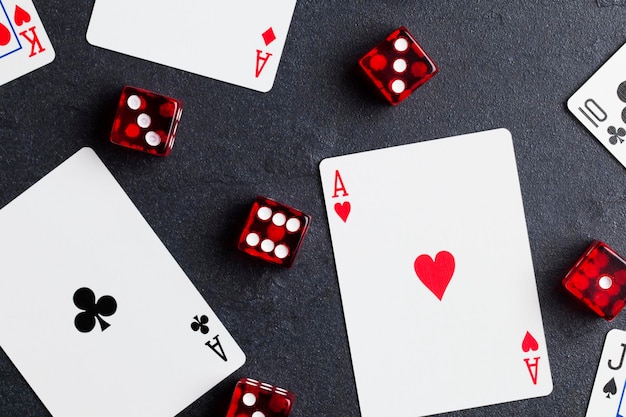
Additionally, the stories of people hitting big jackpots or achieving monumental wins are often shared and celebrated, reinforcing the notion that luck can change a person’s life in an instant. These narratives can overshadow the multitude of stories that highlight losses, further fueling the belief in luck as a potent force in gaming. This aspect of luck creates a magnetic pull, encouraging players to return for the thrill of potential success despite the odds stacked against them.
This psychological connection with luck ultimately influences gambling behaviors and choices. Players might gravitate toward games that seem more favorable to luck, such as lottery games or bingo, because they perceive them as more accessible paths to instant gratification. In reality, luck plays a crucial role in the emotional highs and lows of gambling, shaping perceptions and decisions more than skill ever could.
Harnessing Luck in Online Gaming Environments
In the evolving landscape of online gaming, luck remains a primary factor driving player engagement. While technology enhances the gaming experience through user-friendly interfaces and innovative features, the underlying mechanics of chance continue to dominate. Many online casinos replicate traditional games, ensuring that the thrill of randomness is preserved within a digital context. This seamless integration of luck ensures that players continue to seek the elusive jackpot from the comfort of their homes.
The emergence of online casinos has also led to the proliferation of promotional offers, bonuses, and games designed to attract players through luck-based mechanics. These features encourage users to engage with games in a more relaxed manner, where they can enjoy the thrill of chance without the pressure often found in physical casino settings. As such, players remain drawn to the excitement of trying their luck, often prioritizing it over skill when selecting games to play.
Ultimately, online operators are well aware of the prominence of luck in gaming. By creating environments that emphasize luck, they can tap into the excitement that drives people to gamble. Whether it’s through gamification elements, instant win games, or live dealer experiences, the online casino industry continues to evolve while keeping luck as the cornerstone of its appeal—reinforcing the idea that chance is still the most crucial element in determining player success.